D-dimer in Oncology: Marker of Coagulation, Malignancy, and Metastasis
What Is D-dimer?
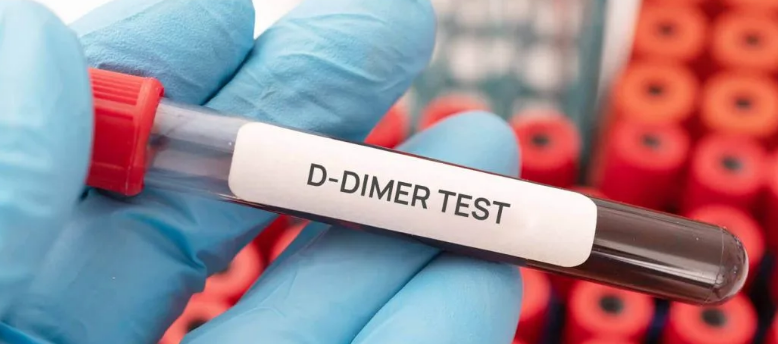
D-dimer is a fibrin degradation product — a protein fragment found in the blood after a blood clot is broken down by fibrinolysis. It is named for the two cross-linked D fragments of the fibrin protein it contains.
In simple terms, D-dimer reflects recent or ongoing clot formation and breakdown in the body. It does not indicate the location of the clot but confirms that clotting and fibrinolysis are occurring.
Normal Values of D-dimer
| Unit | Normal Range |
|---|---|
| μg/mL FEU (fibrinogen equivalent units) | < 0.5 μg/mL |
| ng/mL FEU | < 500 ng/mL |
Note: Always check lab-specific reference ranges. Some labs use DDU (D-dimer units), where the upper limit is ~250 ng/mL.
Why D-dimer Increases
D-dimer levels rise when the body forms and breaks down fibrin-rich clots. While this is most commonly seen in deep vein thrombosis (DVT) and pulmonary embolism (PE), it also occurs in:
- Major surgery or trauma
- Liver disease
- Pregnancy
- Sepsis
- Malignancies (especially metastatic)
D-dimer and Cancer: What’s the Connection?
Cancer causes a prothrombotic state — meaning the blood is more prone to clotting. Tumors produce pro-coagulant substances (like tissue factor), and inflammation further activates the clotting cascade. The result: frequent clot formation and degradation, which increases D-dimer levels.
When to Suspect Cancer from D-dimer
- Unexplained elevation in the absence of recent surgery, trauma, or infection
- Persistently high D-dimer (>1.0 μg/mL) in a patient with weight loss, fatigue, or night sweats
- Unprovoked venous thromboembolism (VTE) in patients over 50 — workup for occult malignancy is recommended
- Known cancer with rising D-dimer despite stable imaging — may indicate progression or metastasis
Thresholds Suggestive of Malignancy
| D-dimer Level | Interpretation |
|---|---|
| < 0.5 μg/mL | Normal — excludes active clotting in low-risk |
| 0.5–1.0 μg/mL | Borderline — consider repeat testing |
| 1.0–3.0 μg/mL | Mildly elevated — may reflect inflammation or cancer activity |
| >3.0 μg/mL | Significantly elevated — common in advanced/metastatic cancers |
Key cancers often associated with high D-dimer:
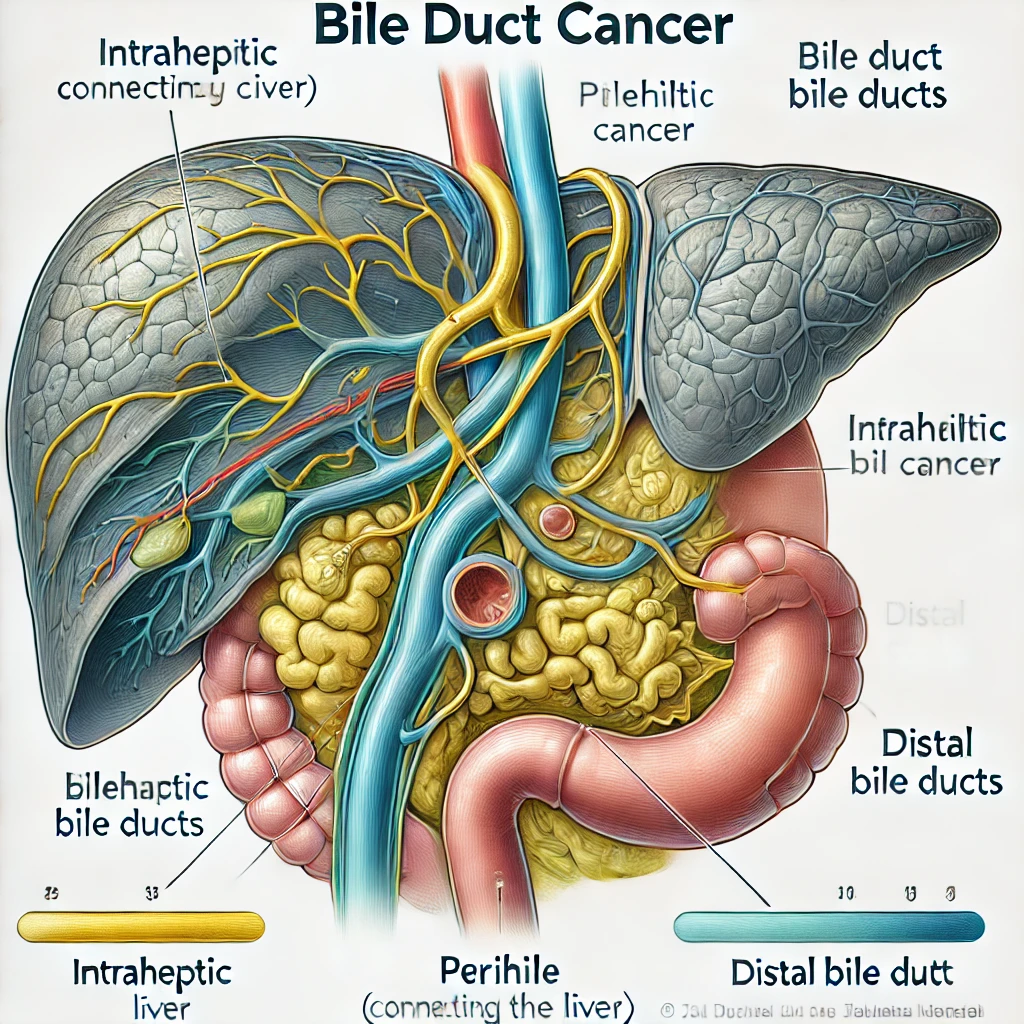
- Pancreatic cancer
- Lung cancer
- Gastric cancer
- Ovarian cancer
- Brain tumors
- Hematologic malignancies (e.g., leukemia, lymphoma)
Prognostic Value in Cancer
High D-dimer levels in cancer patients are associated with:
- Advanced disease stage
- Poorer survival rates
- Higher risk of venous thromboembolism (VTE)
- Higher likelihood of metastasis
In some studies, persistently elevated D-dimer was a stronger predictor of overall mortality than tumor size alone.
Clinical Case Example
Patient: 68-year-old male, no history of thrombosis, complains of weight loss and fatigue.
Labs: D-dimer 2.4 μg/mL (no known VTE), normal CRP, ESR mildly elevated.
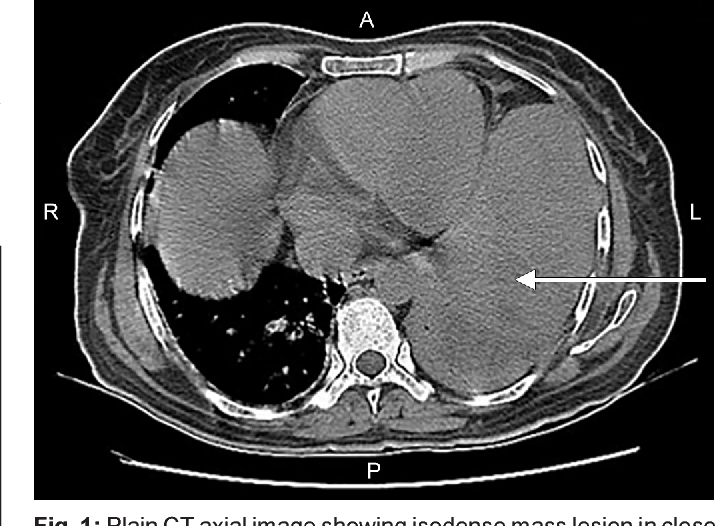
CT chest/abdomen: Found 3 cm lung mass, biopsy confirmed adenocarcinoma.
Conclusion: High D-dimer was the first sign of a hidden malignancy.
D-dimer in Monitoring Cancer Patients
D-dimer is not a cancer-specific marker, but in known cancer cases it can help:
- Track progression or recurrence (especially in lung, pancreas, colon)
- Monitor thrombotic complications (common with chemotherapy)
- Assess response to treatment — falling D-dimer may reflect tumor control
Limitations of D-dimer
- Non-specific: Elevated in many non-cancer conditions
- Does not locate the source: It confirms clot activity, not where it occurs
- Not diagnostic alone: Needs correlation with imaging, clinical signs, and other labs
D-dimer and Unprovoked Clots: Hidden Cancer?
In patients with no obvious reason for thrombosis (e.g., no surgery, trauma, or known clotting disorder), a high D-dimer and new clot should trigger a malignancy workup:
- CT chest/abdomen/pelvis
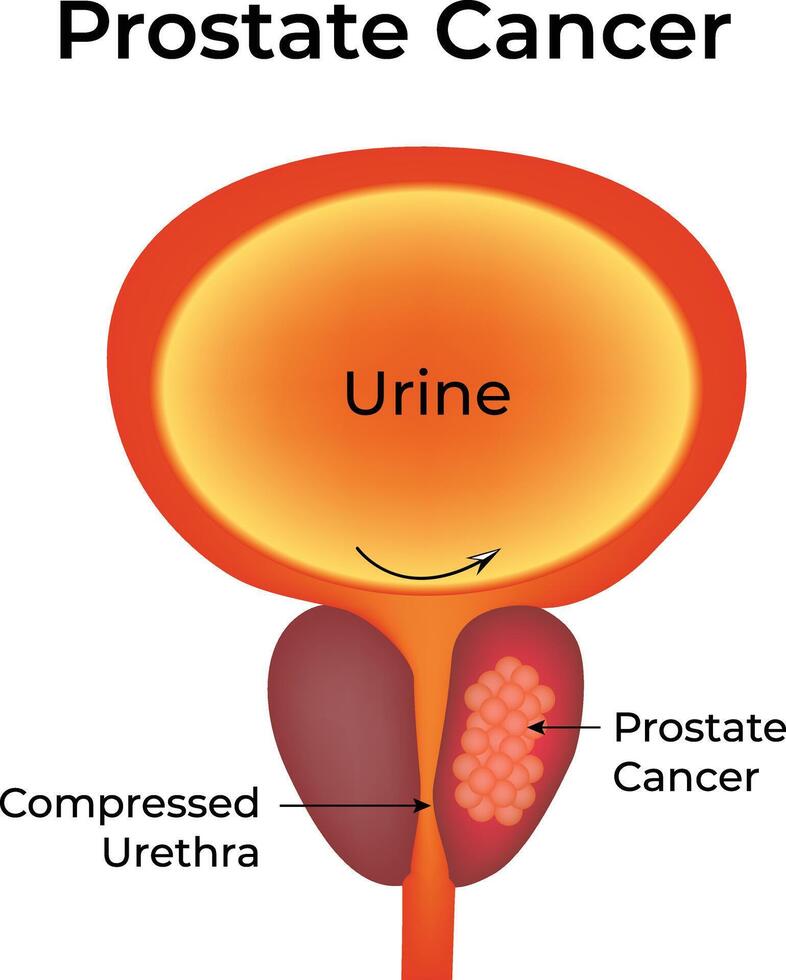
- Age-appropriate cancer screenings (colonoscopy, mammogram, PSA)
- Tumor markers (if clinically indicated)
This is known as Trousseau’s syndrome — a paraneoplastic hypercoagulable state.
D-dimer is a powerful indirect indicator of cancer-related complications, including clotting, inflammation, and progression. Though it lacks specificity, its clinical utility is high when used in context — particularly:
- In patients with unprovoked VTE
- In known cancer cases with suspicion of progression
- When conventional tumor markers are non-informative
It should never be used in isolation, but when interpreted with clinical judgment, D-dimer can uncover what imaging and symptoms have not yet revealed.
FAQ
Sarah M., born 1975 — Atlanta, GA: My D-dimer is 0.8 μg/mL, but I feel fine. Do I need to worry about cancer?
This is a mild elevation. If there’s no infection, recent surgery, or clotting history, it’s worth rechecking in 1–2 weeks. If persistent, further evaluation may be warranted.
John K., born 1960 — Los Angeles, CA: My D-dimer is 2.1 μg/mL, and I was diagnosed with pancreatic cancer last year. Does this mean it’s progressing?
Possibly. Rising D-dimer in known cancer patients can reflect progression or new metastasis. Imaging and clinical assessment are recommended.
Amanda S., born 1983 — Seattle, WA: Can a high D-dimer be the first sign of cancer?
Yes. In some cases, unexplained D-dimer elevation or unprovoked clots lead to the discovery of hidden cancers, especially in older adults.
Robert H., born 1952 — New York, NY: My D-dimer is 3.6 μg/mL, but I don’t have a blood clot. What now?
That level is significantly elevated. You may need scans to rule out thrombosis and a general workup to investigate possible malignancy.
Jessica T., born 1990 — Phoenix, AZ: I had surgery last week and my D-dimer is 1.4. Is that normal?
Yes. After surgery, D-dimer naturally rises due to healing and clot breakdown. It should normalize over time unless symptoms suggest a complication.
Michael D., born 1978 — Miami, FL: I had colon cancer treatment 2 years ago. My D-dimer is now 2.5. Should I be checked for recurrence?
Yes. A rise in D-dimer without other causes in a cancer survivor may suggest recurrence. Imaging is advised.
Linda P., born 1967 — Chicago, IL: I have a D-dimer of 0.4 and I’m on chemo. Is that a good sign?
Yes. A low D-dimer during chemotherapy generally means no active clotting and may indicate stable disease.
Ethan R., born 1995 — Denver, CO: Does smoking or drinking increase D-dimer?
Not directly. But chronic inflammation from smoking can contribute to mildly elevated levels.
Karen F., born 1955 — San Francisco, CA: My D-dimer is 0.6 and I have leg pain. Could this be a clot?
That’s a borderline result. Depending on your risk factors, your doctor may still order a Doppler ultrasound to rule out deep vein thrombosis.
Brian C., born 1963 — Houston, TX: I have metastatic lung cancer and my D-dimer is over 5.0. Is that dangerous?
Yes. That level indicates significant clot activity and possible thrombotic risk. Preventive anticoagulation may be considered.
Olivia G., born 1988 — Philadelphia, PA: Is D-dimer used to diagnose cancer directly?
No. D-dimer supports clinical suspicion but is not cancer-specific. It must be interpreted in context.
Jason T., born 1972 — Boston, MA: I had a pulmonary embolism and now my oncologist wants to check for cancer. Is that normal?
Yes. An unprovoked clot, especially in older adults, can be the first clue to a hidden malignancy.
Emily N., born 2000 — Dallas, TX: My D-dimer is 0.3 and I’m feeling short of breath. Can I rule out a clot?
If you are low risk and D-dimer is under 0.5, a clot is unlikely. But symptoms still matter — talk to your doctor immediately.
George L., born 1949 — Charlotte, NC: My D-dimer has been high for months but imaging is clear. What now?
Chronic elevation may reflect inflammation or cancer. If no clot is found, repeat scans or cancer screening may be considered.
Nicole B., born 1981 — Portland, OR: Is D-dimer always high in cancer?
No. Some cancers do not trigger clotting activity, and D-dimer can be normal even in advanced stages.
Anthony S., born 1964 — Las Vegas, NV: My D-dimer dropped after chemo. Is that a good sign?
Yes. It often indicates reduced tumor activity and less systemic inflammation or clotting.
Grace W., born 1979 — Detroit, MI: Can infection cause high D-dimer?
Yes. Infections, especially severe ones like sepsis or pneumonia, often raise D-dimer levels.
Dylan M., born 1992 — Raleigh, NC: My D-dimer is 1.0 and I had COVID a month ago. Is that why it’s high?
Possibly. Post-COVID clotting changes can persist for weeks. It should normalize, but monitor symptoms.
Teresa J., born 1958 — Orlando, FL: What level of D-dimer usually triggers a cancer workup?
There’s no absolute cut-off, but levels above 1.0 without explanation, especially >3.0, often lead to screening.
Kevin E., born 1986 — Salt Lake City, UT: Can stress or anxiety raise D-dimer?
No. Psychological stress doesn’t raise D-dimer. Physical conditions like inflammation or clots do.