Effective Treatments for Nausea in Morning: Tips for Relief
Introduction to Morning Nausea
Morning nausea is a common condition that affects many people, particularly in the early part of the day. While it can be uncomfortable, understanding the causes behind this symptom is essential for effective management and relief. Morning nausea can arise from a variety of factors, including:
- Pregnancy
- Sleep disturbances
- Acid reflux
- Anxiety
- Low blood sugar
For those who experience morning nausea as part of pregnancy, it often begins between 4 to 6 weeks of gestation and is linked to hormonal changes in the body. Although pregnancy-related nausea is well-known, it’s important to remember that morning nausea can have many causes, and identifying the underlying issue is key to alleviating discomfort.
Causes of Morning Nausea
Pregnancy-Related Nausea
Morning nausea during pregnancy is a common experience, typically beginning between 4-6 weeks of gestation. This nausea is often linked to hormonal changes that occur in the body during early pregnancy. It is commonly known as ‘morning sickness,’ although it can occur at any time of day. For many, the nausea can subside by the end of the first trimester, but for some, it may last longer. The severity of symptoms can vary from mild queasiness to frequent vomiting, significantly affecting daily life.
Gastrointestinal Issues
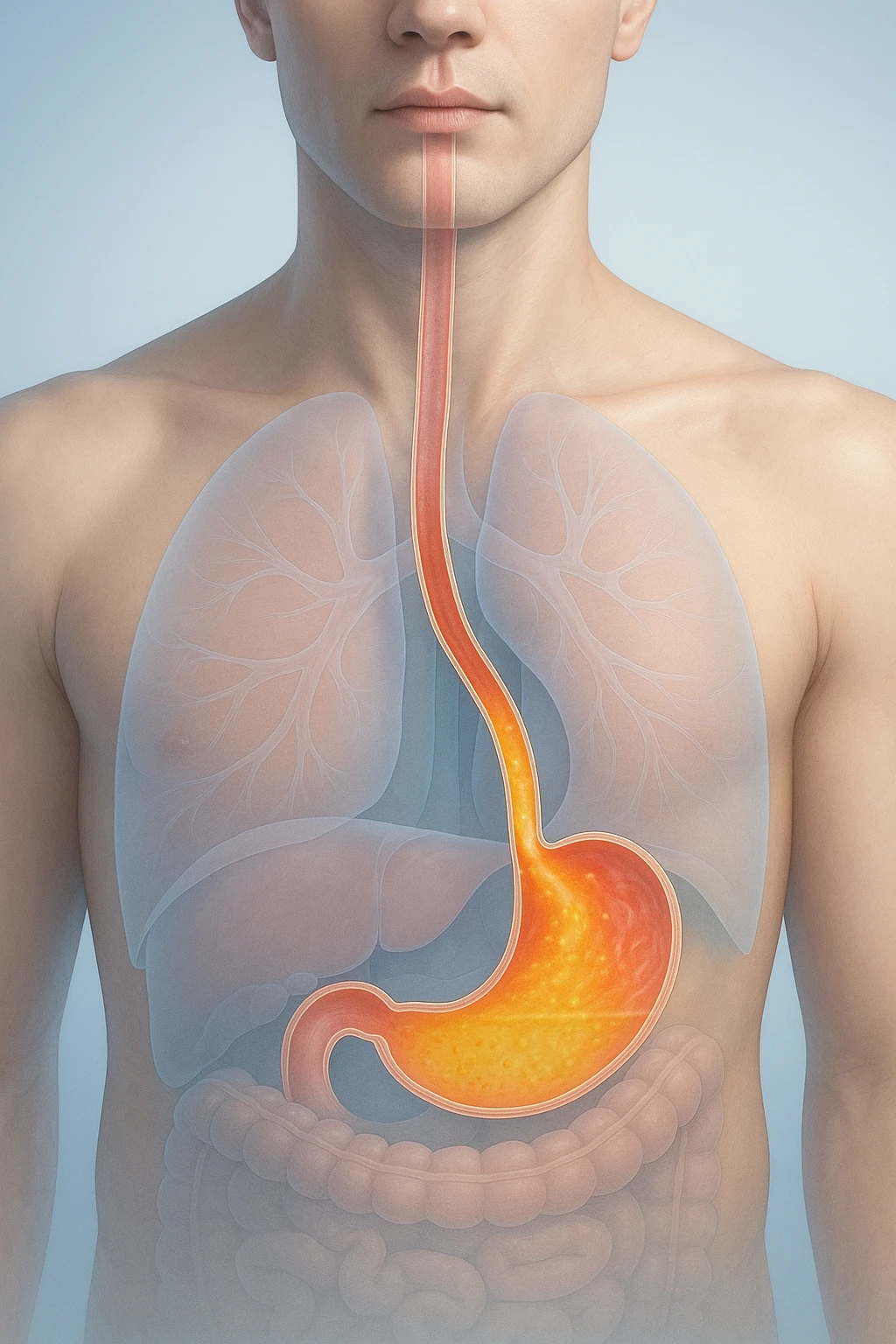
Gastrointestinal conditions such as acid reflux, ulcers, or other digestive disorders can also contribute to morning nausea. Acid reflux occurs when stomach acid flows back into the esophagus, leading to irritation and a feeling of nausea. This is often worse in the morning, especially after lying down or eating late at night. Ulcers, which are sores in the lining of the stomach or small intestine, can also lead to nausea, particularly in the morning when the stomach is empty.
Sleep and Stress-Related Causes
Poor sleep and high stress levels are also known contributors to morning nausea. Disrupted sleep can affect the body’s natural rhythms, leading to nausea upon waking. Anxiety and stress, which trigger the release of certain hormones like cortisol, can interfere with digestion and increase the sensation of nausea. Individuals who are under stress may experience this symptom more intensely in the morning, as the body reacts to the buildup of tension from the night before.
Morning Sickness During Pregnancy
Symptoms and Timing
Morning sickness is a common experience during pregnancy, typically beginning between 4-6 weeks of gestation. It is often caused by hormonal changes that affect the digestive system. The symptoms include nausea and vomiting, which can vary in severity. For most women, the symptoms subside by the end of the first trimester, around the 12th week of pregnancy. However, some may experience nausea into the second trimester. While it is known as ‘morning sickness,’ the symptoms can occur at any time of the day, and they can significantly affect daily activities for some individuals.
Managing Pregnancy-Related Nausea
Managing morning sickness often involves dietary adjustments and lifestyle changes. Consider the following strategies:
- Eating small, frequent meals throughout the day to stabilize blood sugar levels.
- Avoiding foods or smells that may trigger nausea.
- Resting and staying hydrated to prevent dehydration, which can worsen symptoms.
- Consulting with a healthcare provider about medication options if the symptoms are severe.
It is important to personalize these strategies and seek professional advice to determine the best approach for managing pregnancy-related nausea.
Severe Forms of Nausea: Hyperemesis Gravidarum
Symptoms and Diagnosis
Hyperemesis gravidarum is a severe form of nausea and vomiting during pregnancy that can cause significant health concerns. It is characterized by excessive vomiting, which can lead to dehydration, weight loss, and electrolyte imbalances. Women with hyperemesis gravidarum may vomit multiple times a day, making it difficult to retain food or fluids. The condition can result in severe dehydration, which, if left untreated, can harm both the mother and the developing baby.
Diagnosis is typically made based on the severity and duration of vomiting, the inability to keep food or fluids down, and the presence of weight loss. Blood tests may also be conducted to check for signs of dehydration and electrolyte imbalances.
Treatment and Management
Hyperemesis gravidarum requires medical intervention to prevent complications. In many cases, hospitalization may be necessary for intravenous fluids to rehydrate the patient and restore electrolyte balance. Anti-nausea medications may also be prescribed to help reduce vomiting and ease symptoms. For some women, the condition may resolve after the first trimester, but in severe cases, ongoing management may be required throughout pregnancy.
It’s important for pregnant individuals experiencing severe nausea to seek prompt medical care to ensure proper hydration and nutrition, as well as to monitor the health of the pregnancy.
Managing Nausea in the Morning: General Strategies
Dietary Adjustments
One of the most effective ways to manage nausea in the morning is through dietary adjustments. Eating small, frequent meals throughout the day can help keep blood sugar levels stable, which is important for reducing nausea. Large meals can often worsen symptoms, so it’s beneficial to eat smaller portions more often. Additionally, avoiding certain food triggers is key. Strong smells, caffeine, and greasy or spicy foods are common culprits that can worsen nausea. Opting for bland, easy-to-digest foods like crackers, toast, or rice can help minimize discomfort.
Hydration and Electrolyte Balance
Staying hydrated is crucial when dealing with nausea in the morning, especially as dehydration can exacerbate the symptoms. Sipping water, herbal teas, or clear broths throughout the day can help maintain hydration levels. In addition to water, it’s important to ensure that your body maintains a proper electrolyte balance. Drinks with added electrolytes, such as oral rehydration solutions, can help prevent dehydration and restore vital minerals lost due to vomiting. Proper hydration and balanced electrolytes are essential for managing nausea and preventing it from worsening.
When to Seek Medical Help for Morning Nausea
Signs of Severe Nausea
Morning nausea is typically mild and resolves on its own, but in some cases, it may be a sign of something more serious. Parents should seek medical attention if the nausea is persistent, severe, or accompanied by other concerning symptoms. The following signs indicate the need for medical intervention:
- Frequent and persistent vomiting that prevents food and fluid retention
- Signs of dehydration, weight loss, or dizziness
- Severe abdominal pain
- Blood in vomit
- Inability to keep food or liquids down
These symptoms could indicate a more serious condition that requires immediate medical attention.
the Role of Medication
In some cases, medication may be necessary to manage morning nausea. Medications are often used for nausea related to pregnancy, such as anti-nausea drugs that are safe during pregnancy. It’s important to consult with a healthcare provider before taking any medication, especially during pregnancy, as some medications can have side effects. A healthcare provider can guide parents on when to use medications, ensure the right medication is chosen, and adjust treatment based on the severity of the symptoms and underlying causes.
- Morning nausea can result from sleep disturbances, low blood sugar, acid reflux, anxiety, or pregnancy.
- Pregnancy-related nausea typically begins between 4-6 weeks, linked to hormonal changes.
- Gastrointestinal issues like acid reflux and ulcers contribute to morning nausea.
- Anxiety and stress are common triggers for morning nausea.
- Eating small, frequent meals can help manage morning nausea.
- Avoiding strong smells and food triggers can reduce nausea symptoms.
- Staying hydrated and maintaining electrolyte balance is key to managing nausea.
- Hyperemesis gravidarum, a severe form of pregnancy-related nausea, requires medical treatment.
- Treatment for hyperemesis gravidarum may include intravenous fluids and anti-nausea medications.
- What causes nausea in the morning?
- Morning nausea can arise from various factors, including pregnancy, sleep disturbances, acid reflux, anxiety, and low blood sugar.
- How long does pregnancy-related nausea last?
- Pregnancy-related nausea usually begins between 4-6 weeks and often resolves by the end of the first trimester, though some women may experience it longer.
- What are the symptoms of severe morning nausea?
- Severe nausea can include frequent vomiting, dehydration, weight loss, dizziness, and an inability to keep food or liquids down, which may require medical attention.
- When should I consult a doctor about morning nausea?
- If nausea is persistent, severe, or accompanied by dehydration, abdominal pain, blood in vomit, or weight loss, it’s important to seek medical advice.
- Can small meals help with morning nausea?
- Yes, eating small, frequent meals can help stabilize blood sugar levels, reducing nausea and preventing large meals from worsening symptoms.
- How can I prevent morning nausea caused by food triggers?
- Avoiding strong smells, greasy foods, and caffeine can help manage nausea. Opt for bland, easy-to-digest foods like crackers and rice.
- What is hyperemesis gravidarum?
- Hyperemesis gravidarum is a severe form of pregnancy-related nausea that can cause significant dehydration, weight loss, and require medical treatment, including intravenous fluids.
- What role does hydration play in managing morning nausea?
- Maintaining proper hydration and electrolyte balance is essential, as dehydration can worsen nausea. Drinking water, herbal teas, or oral rehydration solutions can help.